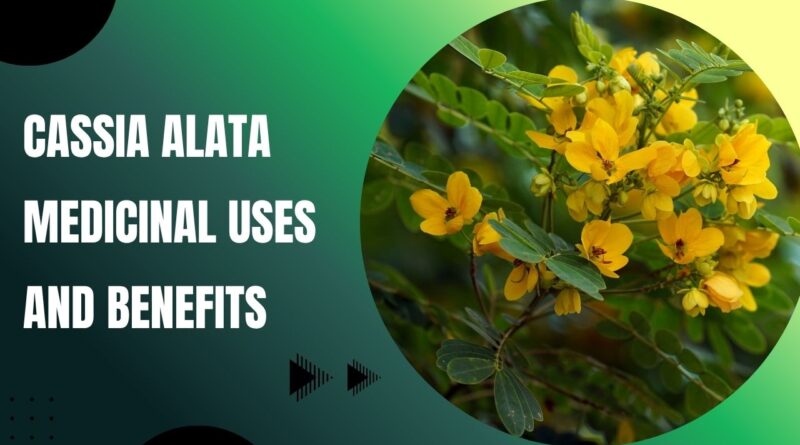
Cassia Alata Medicinal Uses and Benefits: A Comprehensive Guide
Cassia alata, commonly known as the “candle bush,” “ringworm bush,” or “Senna alata,” is a tropical plant native to South America, Africa, and parts of Asia that has been used for centuries in traditional medicine. This powerful legume belongs to the Fabaceae family and has gained significant recognition worldwide for its remarkable therapeutic properties. The plant’s leaves, flowers, roots, and bark contain bioactive compounds that make it a valuable natural remedy for various health conditions ranging from skin disorders to digestive issues.
The leaves of Cassia alata are particularly rich in active compounds including anthraquinones (emodin, aloe-emodin, chrysophanol, and rhein), flavonoids (kaempferol, quercetin, and luteolin), tannins, saponins, and fatty acids. These phytochemicals work synergistically to provide the plant’s diverse medicinal benefits. Modern scientific research has validated many traditional uses, making Cassia alata an increasingly popular choice among individuals seeking natural health solutions. In this comprehensive article we go through all Cassia Alata Medicinal Uses and Benefits including Side Effects.
Table of Contents
Overview of Cassia Alata Medicinal Uses and Benefits
Cassia alata possesses a remarkable array of pharmacological properties that extend far beyond what was traditionally known. Scientific investigations have confirmed its effectiveness in treating multiple health conditions through various mechanisms of action.
Primary Pharmacological Activities Include:
The plant exhibits antibacterial, antifungal, anti-inflammatory, antioxidant, antimicrobial, antidiabetic, and hepatoprotective properties. Traditional healers have used it for centuries to address burns, wound infections, skin conditions, gastrointestinal problems, respiratory issues, and urinary tract infections. The leaves contain natural compounds that work on multiple body systems, making it a versatile herbal remedy.
In in vitro and in vivo studies, Cassia alata extracts have demonstrated potent activity against numerous pathogenic organisms and inflammatory conditions. The methanol and water extracts of Cassia alata effectively reduce inflammation by lowering interleukin-8 levels and inhibiting COX-1 and 5-LOX enzymes. This anti-inflammatory mechanism makes it particularly valuable for chronic inflammatory conditions.
Cassia Alata Tea Benefits: Harnessing Medicinal Properties
What Makes Cassia Alata Tea Beneficial?
Cassia alata tea has become increasingly popular as a natural wellness beverage, and for good reason. When the leaves are brewed into tea, they release their bioactive compounds into the water, making them easily absorbable by the body. The tea offers a gentle yet effective way to experience the plant’s therapeutic benefits.
Key Health Benefits of Cassia Alata Tea
Digestive Health Support
One of the most well-documented uses of Cassia alata tea is its ability to support healthy digestion. The anthraquinones present in the leaves, particularly rhein and aloe-emodin, act on the smooth muscles of the large intestine to stimulate peristalsis. This wave-like motion helps move food and waste through the digestive tract more efficiently, providing gentle relief from constipation without the harsh effects of chemical laxatives.
The tea contains compounds that enhance natural bowel movements and prevent excessive water absorption in the intestines, ensuring stool remains soft and easy to pass. Unlike synthetic laxatives, Cassia alata tea works with your body’s natural rhythms and is less likely to cause dependence when used responsibly.
Detoxification and Liver Support
Cassia alata tea is particularly valued for its ability to support liver function and promote natural detoxification. The plant works deep within the body to flush out accumulated toxins, excess hormones, and synthetic estrogens that can build up over time. Regular consumption of Cassia alata tea may help cleanse the liver’s filtering mechanisms and support its regenerative capabilities.
Hormonal Balance
The tea has traditionally been used to support hormonal equilibrium, particularly for those dealing with conditions like fibroids, polycystic ovary syndrome (PCOS), and irregular menstrual cycles. The detoxification properties of the tea may help balance hormone levels by supporting the organs responsible for hormone metabolism.
Energy and Mental Clarity
As toxins are cleared from the body through regular tea consumption, many users report increased vitality, fewer energy crashes, and improved mental focus. This energy boost comes from the body’s improved ability to absorb nutrients and function efficiently without the burden of accumulated toxins.
Anti-inflammatory Properties
The flavonoids and tannins in Cassia alata tea possess significant anti-inflammatory characteristics. These compounds reduce inflammation throughout the body by decreasing prostaglandin production during the inflammatory phase. This makes the tea beneficial for those dealing with general inflammation or inflammatory conditions.
How to Prepare Cassia Alata Tea
Preparing Cassia alata tea is simple and straightforward:
- Add 1 tablespoon (approximately 3-5 dried leaves) of dried Cassia alata to 1 cup of hot water
- Steep the leaves in a covered container for at least 7 minutes, depending on your desired strength
- For a more potent cleansing effect, add additional leaves and steep for longer periods
- Strain and consume the tea slowly
For those preferring a cooling variation, allow the brewed tea to cool overnight and drink it in the morning to awaken and activate your digestive system.
Recommended Dosage and Frequency
Most practitioners recommend consuming Cassia alata tea no more than 1-2 cups daily for short-term use (typically up to two weeks). Long-term regular consumption should only be undertaken under professional guidance, as extended use may have specific considerations.
How to Use Cassia Alata for Eczema: Natural Skin Relief
- Understanding Eczema and Cassia Alata’s Role
Eczema, also known as atopic dermatitis, is a chronic inflammatory skin condition characterized by intense itching, redness, dryness, and flaking. Cassia alata offers a natural approach to managing eczema symptoms through its potent antifungal, antimicrobial, and anti-inflammatory properties.
The plant’s bioactive compounds, particularly the anthraquinones and flavonoids, address eczema from multiple angles: they reduce inflammation, combat secondary infections that often accompany eczema, and support the skin’s natural healing processes. Traditional healers have used Cassia alata for generations to treat various dermatological conditions, and modern research has validated these traditional applications.
- Application Methods for Eczema Treatment
Topical Paste Application (Most Effective)
The most direct approach to treating eczema with Cassia alata is creating a topical paste:
- Crush fresh or dried Cassia alata leaves into a fine powder or paste
- Apply the paste directly to the affected areas of skin
- Leave the paste on for 15-20 minutes before rinsing thoroughly with lukewarm water
- For enhanced benefits, you can mix the paste with coconut oil or raw honey before application
- Repeat this process 2-3 times daily for consistent results
The paste works by delivering the plant’s active compounds directly to affected areas, reducing itching, inflammation, and promoting skin healing.
Cassia Alata Compress
For extensive areas of eczema or for those with sensitive skin, a compress offers a gentler application method:
- Brew a strong Cassia alata tea using double the amount of leaves
- Allow the tea to cool to a comfortable temperature
- Soak a clean cloth in the cooled tea
- Apply the cloth as a compress to affected areas for 15-30 minutes
- Repeat 1-2 times daily
Skincare Products with Cassia Alata Extract
Look for commercial skincare products containing Cassia alata extract such as:
- Creams and healing balms formulated for eczema-prone skin
- Serums designed to reduce inflammation and irritation
- Toners and facial mists for sensitive or reactive skin
- Bath products infused with the plant’s extracts
Internal Support with Tea
In conjunction with topical applications, consuming Cassia alata tea can support eczema healing from within. The tea’s anti-inflammatory and detoxification properties help clear the internal conditions that may be contributing to eczema flare-ups. Many skin conditions originate from within the body, so addressing internal inflammation while treating external symptoms provides comprehensive care.
- Timeline for Results
Results vary depending on the severity of eczema and individual skin sensitivity:
- Mild eczema or redness: You may notice improvements within a few days to one week of consistent use
- Moderate to persistent eczema: More substantial results typically appear after 2-4 weeks of regular, consistent application
- Severe eczema: While Cassia alata can provide relief, severe cases may require professional medical evaluation alongside natural remedies
Important Precautions for Eczema Treatment
Before applying Cassia alata to your skin, always perform a patch test on a small, inconspicuous area to check for potential allergic reactions or irritation. Some individuals may experience mild irritation initially, particularly if they have extremely sensitive skin.
If you are pregnant, nursing, or have underlying medical conditions, consult your healthcare provider before using Cassia alata for eczema treatment. Always source your Cassia alata leaves from reputable suppliers to ensure quality, purity, and safety.
How to Use Cassia Alata for Skin: Comprehensive Skincare Solutions
- General Skin Benefits of Cassia Alata
Beyond eczema treatment, Cassia alata offers tremendous benefits for overall skin health and the treatment of various skin conditions. The plant’s antifungal, antimicrobial, anti-inflammatory, and antioxidant properties make it a powerful ally in your skincare arsenal.
- Primary Skin Conditions Treated with Cassia Alata
Fungal Infections
Cassia alata has demonstrated superior antifungal activity against common fungal infections including ringworm, athlete’s foot, candida-related skin conditions, and other dermatophytic infections. Scientific studies have shown that Cassia alata extracts inhibit the growth of pathogenic fungi such as:
- Candida albicans (21-23 mm zones of inhibition at 200 mg/ml)
- Trichophyton mentagrophytes (21 mm zones of inhibition)
- Microsporum canis (inhibited better than ketoconazole standard drug)
- Aspergillus niger (19 mm zones of inhibition)
The plant’s antifungal compounds work by blocking the lanosterol 14-alpha demethylase enzyme, which is essential for fungal cell membrane synthesis. This mechanism makes Cassia alata effective even against resistant fungal strains.
Acne and Blemishes
The antibacterial and anti-inflammatory properties of Cassia alata make it effective for acne management. The plant combats acne-causing bacteria while simultaneously reducing the inflammation and redness associated with breakouts. Many practitioners recommend incorporating Cassia alata into skincare routines through pastes, extracts, or tea-based rinses to address acne at its source.
Wound Healing and Scar Reduction
Cassia alata accelerates the healing process of cuts, scrapes, minor burns, and other skin injuries. The plant’s bioactive compounds stimulate the skin’s natural repair mechanisms, promoting the growth of new, healthy tissue. This accelerated healing capability also helps reduce the appearance of scars, post-acne marks, and other skin imperfections resulting from previous injuries or conditions.
Chronic Skin Conditions: Psoriasis and Dermatitis
For those with chronic conditions like psoriasis or various forms of dermatitis, Cassia alata provides natural relief. The plant’s moisturizing and anti-inflammatory properties work together to reduce itching, flaking, discomfort, and visible redness. Unlike harsh chemical treatments, Cassia alata offers a gentle natural alternative that supports the skin’s own healing capacity.
General Skin Irritation and Redness
The anti-inflammatory compounds in Cassia alata can soothe general skin irritation from environmental factors, allergies, or minor inflammatory responses. Regular use helps reduce redness, calm reactive skin, and promote a more balanced skin complexion.
Multiple Ways to Use Cassia Alata for Skin
Fresh or Dried Leaf Paste
Crush dried or fresh Cassia alata leaves into a fine paste and apply directly to affected areas. This method delivers the plant’s active compounds most directly to problem areas.
Skincare Product Extracts
Many modern skincare companies incorporate Cassia alata extract into:
- Facial creams and night treatments
- Healing serums for sensitive or compromised skin
- Toning solutions and facial mists
- Spot treatments for targeted problem areas
- Whole-body skincare products
Tea-Based Treatments
Brew strong Cassia alata tea and use it as:
- A daily facial rinse to address acne or general skin concerns
- A compress for localized skin problems
- A bath soak for full-body skin support
- A base for DIY skincare recipes
Blended Formulations
Combine crushed Cassia alata leaves with complementary ingredients such as:
- Coconut oil for enhanced moisturization and penetration
- Raw honey for additional antibacterial benefits and hydration
- Aloe vera for soothing and cooling effects
- Essential oils for fragrance and additional therapeutic benefits
Timeline for Visible Skin Improvements
Most individuals begin noticing improvements in skin appearance and comfort within the first week of consistent application. However, the timeline varies depending on the specific condition being treated:
- Acute conditions (cuts, minor burns): 3-7 days
- Inflammatory acne: 1-3 weeks
- Fungal infections: 2-4 weeks of consistent treatment
- Chronic conditions (eczema, psoriasis): 3-8 weeks for substantial improvement
Combining Cassia Alata with Other Natural Ingredients
For eczema or psoriasis treatment, combine Cassia alata with sea moss powder to provide additional mineral support and internal hydration, as most skin issues originate from within the body.
For enhanced antifungal effects against persistent fungal infections, consider combining Cassia alata with other traditionally used antifungal herbs as recommended by healthcare practitioners.
Cassia Alata Tea Benefits for Liver: Supporting Detoxification and Regeneration
- The Liver’s Role in Health
The liver is one of the body’s most vital organs, responsible for filtering blood, producing bile, storing nutrients, and processing and eliminating toxins. When the liver becomes overwhelmed with accumulated toxins, hormones, and synthetic chemicals, its ability to function optimally diminishes, affecting overall health and energy levels.
- How Cassia Alata Supports Liver Function
Cassia alata is traditionally known as the “King of the Forest” specifically for its exceptional ability to support and restore liver health. The plant contains active compounds with hepatoprotective properties that work to cleanse, regenerate, and optimize liver function.
Antioxidant Protection
The liver is particularly vulnerable to oxidative stress from free radicals and accumulated toxins. Cassia alata leaves contain powerful antioxidants including flavonoids and anthocyanins that protect liver cells from damage. Scientific studies have shown that Cassia alata extract significantly decreases lipid peroxidation (a marker of oxidative damage) in liver tissue while simultaneously increasing antioxidant enzyme activity.
In hyperglycemic (high blood sugar) conditions, treatment with Cassia alata increased the total antioxidant level (DPPH) in liver tissue from 69.23±8.4 mg/ml in controls to 86.98±3.5 mg/ml in treated groups. This substantial increase demonstrates the plant’s potent protective capabilities against oxidative stress.
Enzyme Enhancement
Cassia alata stimulates the production of critical liver enzymes involved in detoxification. Studies have shown that the enzyme catalase (CAT), which neutralizes hydrogen peroxide and prevents cellular damage, increased dramatically in liver tissue after Cassia alata treatment—from 74.11±20.9 µg/ml in controls to 121.17±7.5 µg/ml in treated groups.
These enhanced enzymatic defenses enable the liver to process and eliminate toxins more efficiently, reducing the burden of accumulated substances that impair liver function.
Toxin Elimination and Hormone Balance
Cassia alata gently detoxifies the liver by flushing out excess hormones, synthetic estrogens, environmental toxins, and metabolic waste products that accumulate over time. This detoxification process helps restore hormonal balance, which is particularly important for those dealing with conditions related to hormonal imbalance.
Support for Liver Regeneration
Traditional medicine has used Cassia alata in treating cirrhosis and hepatitis, conditions requiring liver tissue regeneration. The plant’s hepatoprotective compounds support the liver’s natural ability to repair and regenerate tissue damaged by oxidative stress or previous illness.
How to Use Cassia Alata Tea for Liver Support
Preparation for Liver Health
- Add 1 tablespoon (3-5 dried leaves) of Cassia alata to 1 cup of freshly boiled water
- Steep in a covered container for at least 7 minutes to ensure full extraction of active compounds
- Strain thoroughly and consume slowly
- For enhanced liver cleansing, consume the tea in the morning on an empty stomach or early evening
Optimal Frequency and Duration
For liver support, most practitioners recommend consuming 1 cup of Cassia alata tea daily for up to two weeks as a cleansing cycle. After this period, take a break for one to two weeks before beginning another cycle if desired. This approach allows the body to benefit from intensive support while avoiding potential side effects from prolonged continuous use.
Complementary Approaches for Deeper Healing
For comprehensive liver and womb health, consider combining Cassia alata tea with other supportive herbs such as St. John’s Bush, traditionally used for additional liver support and hormonal balance.
Cassia Alata Tea Benefits and Side Effects: Safety and Efficacy
Full Spectrum of Health Benefits
The cumulative benefits of Cassia alata tea when consumed regularly include:
- Gentle relief from constipation and improved digestive regularity
- Enhanced detoxification and liver support
- Reduced inflammation throughout the body
- Improved skin clarity from internal cleansing
- Better hormonal balance and menstrual regularity
- Increased energy and mental clarity
- Support for immune system function
- Antioxidant protection against cellular damage
Possible Side Effects and Safety Considerations
While Cassia alata is generally well-tolerated, it’s important to understand potential side effects, particularly with extended use.
Common Side Effects (Short-Term Use)
When used responsibly for short periods (up to two weeks), Cassia alata is considered likely safe for most adults and children over age 2. The most commonly reported side effects include:
- Mild stomach discomfort or cramping
- Loose stools or diarrhea
- Abdominal cramping
- Mild digestive adjustments as the body begins eliminating accumulated waste
These effects typically diminish as the body adjusts to the treatment.
Serious Side Effects (Long-Term or High-Dose Use)
Prolonged use beyond two weeks or consumption of excessive amounts can lead to more serious concerns:
- Electrolyte Imbalance: Extended use can disrupt the balance of essential minerals like sodium, potassium, and magnesium in the blood. Severe electrolyte imbalances can cause muscle spasms, weakness, heart rhythm disturbances, and potentially dangerous complications.
- Laxative Dependence: The bowels may become dependent on the stimulating effects of anthraquinones, losing their ability to function normally without the herb’s assistance. This can make normal bowel function difficult once use is discontinued.
- Liver and Kidney Damage: Long-term, high-dose use of senna-containing plants has been linked to liver damage and other serious complications in some cases.
- Dehydration and Diarrhea Complications: Excessive use leading to severe diarrhea can cause dangerous dehydration and loss of critical nutrients.
Who Should Avoid Cassia Alata
Certain individuals should avoid using Cassia alata or use it only under professional medical supervision:
- Pregnant women: Although short-term, moderate use may be safe, high doses or long-term use during pregnancy should be avoided due to potential uterine stimulation effects
- Nursing mothers: While small amounts pass into breast milk without apparent harm to nursing infants, prolonged or high-dose use should be avoided
- Individuals with existing electrolyte imbalances or potassium deficiency: Cassia alata can exacerbate these conditions
- People with gastrointestinal conditions: Those with Crohn’s disease, ulcerative colitis, appendicitis, irritable bowel syndrome (particularly when accompanied by diarrhea), intestinal blockage, undiagnosed abdominal pain, or hemorrhoids should avoid Cassia alata
- Heart disease patients: The potential for electrolyte disturbances could worsen heart conditions
- Those taking diabetes medications: Cassia alata may interact with antidiabetic drugs, potentially lowering blood sugar to dangerous levels
- Individuals already dehydrated or experiencing diarrhea: The plant’s laxative effects would worsen these conditions
Recommended Safety Guidelines
To ensure safe and effective use of Cassia alata tea:
- Limit use to short-term periods: Do not exceed two weeks of continuous use without professional guidance
- Start with lower concentrations: Begin with fewer leaves or shorter steeping times to assess tolerance
- Stay hydrated: Drink adequate water throughout the day when using Cassia alata
- Perform a patch test: Before topical use on skin, test a small area first
- Source from reputable suppliers: Ensure your Cassia alata leaves are of high quality and free from contaminants
- Consult healthcare providers: Those with medical conditions or taking medications should seek professional advice before use
- Monitor for adverse reactions: If any concerning symptoms develop, discontinue use and seek medical attention
Senna Leaves Benefits for Skin: Natural Dermatological Support
- Understanding Senna and Its Relationship to Cassia Alata
Senna alata, also known as Senna leaves or Cassia alata, is the same plant discussed throughout this article. The terms “senna leaves,” “senna alata,” and “Cassia alata” are often used interchangeably, though technically senna refers to other Cassia species as well. When discussing senna leaves benefits for skin, we’re referring to the same powerful plant with its remarkable dermatological applications.
Primary Skin Benefits of Senna Leaves
Senna leaves have been utilized for skincare purposes for over a millennium, with documented use in Arabic cultures dating back to the ninth century. The leaves contain three primary properties that make them exceptional for skin health:
Anti-Inflammatory Action
The essential oils and tannins in senna leaves provide potent anti-inflammatory benefits. These compounds reduce skin inflammation by calming the inflammatory response and decreasing redness associated with various skin conditions. This anti-inflammatory effect is particularly beneficial for:
- Acne and acne-related inflammation
- Eczema and atopic dermatitis
- General skin redness and irritation
- Inflammatory responses from environmental factors
Antibacterial and Antifungal Properties
Senna leaves possess high antibacterial and antifungal activity, making them effective for preventing and treating infections in compromised skin. For minor cuts or burns, the antibacterial properties prevent pathogenic bacteria from establishing infections that could delay healing or cause complications.
The antifungal components combat fungal overgrowth and infections, making senna leaves valuable for treating:
- Candida-related skin issues
- Ringworm and other dermatophytic infections
- Athlete’s foot and similar fungal conditions
- Fungal nail infections (when combined with other treatments)
Tissue Regeneration and Wound Healing
Senna leaves actively promote new tissue growth and accelerate the healing of damaged skin. This regenerative capacity makes senna leaves beneficial for:
- Healing cuts, scrapes, and minor wounds
- Reducing scars and post-inflammatory marks
- Promoting skin renewal and cellular regeneration
- Supporting the skin barrier function
Practical Applications of Senna Leaves for Skin
Topical Paste for Direct Application
The most straightforward application method involves creating a healing paste:
- Dry fresh senna leaves completely or use pre-dried leaves
- Crush the dried leaves into a fine powder using a mortar and pestle or blender
- Mix the powder with a small amount of water, coconut oil, or honey to create a paste
- Apply the paste directly to affected skin areas
- Leave in place for 15-30 minutes before rinsing gently with lukewarm water
- Repeat daily for optimal results
Senna Leaf Tea for Internal and External Use
Prepare a strong tea by steeping dried senna leaves in hot water for 7-10 minutes. This tea can be:
- Consumed orally to support digestive health and reduce systemic inflammation (which often manifests as skin problems)
- Used as a facial rinse for acne-prone or inflamed skin
- Applied as a compress to localized skin problems
- Added to bathwater for full-body skin support
Integration into Skincare Routines
Look for commercial skincare products containing senna leaf extract, such as:
- Cleansers formulated to remove bacteria and support clear skin
- Toners designed to reduce inflammation and irritation
- Spot treatments for targeted acne or fungal concerns
- Healing balms and salves for compromised or injured skin
DIY Skincare Formulations
Combine senna leaves with complementary ingredients for enhanced benefits:
- For acne: Mix senna leaf powder with tea tree oil and coconut oil
- For fungal infections: Combine with olive oil and oregano essential oil
- For sensitive skin: Blend with aloe vera gel and chamomile tea
- For wound healing: Mix with honey, which provides additional antibacterial benefits
Effectiveness Timeline and Results
Results from using senna leaves for skin depend on the specific condition and consistency of application:
- Acute inflammation or irritation: 2-7 days for noticeable reduction
- Acne and blemishes: 1-3 weeks for visible improvement
- Fungal infections: 2-4 weeks of consistent treatment for resolution
- Wounds and minor injuries: 3-7 days for accelerated healing
- Chronic conditions (eczema, psoriasis): 3-8 weeks for substantial improvement
Safety Considerations for Topical Use
While senna leaves are generally safe for topical application, certain precautions should be observed:
- Patch test first: Test on a small skin area before widespread application
- Avoid broken skin barriers without caution: While senna can support healing, very fresh or severely damaged skin may require gentler treatment initially
- Watch for allergic reactions: Some individuals may experience sensitivity to senna
- Source quality ingredients: Ensure leaves are clean, properly dried, and free from contaminants
- Monitor for irritation: Discontinue use if unusual irritation develops
Bioactive Compounds: The Science Behind Cassia Alata’s Effectiveness
Key Active Constituents
The remarkable therapeutic properties of Cassia alata stem from its rich concentration of bioactive compounds:
Anthraquinones
The primary anthraquinone compounds include:
- Emodin: The most abundant and well-studied anthraquinone, responsible for laxative, anti-inflammatory, and antifungal effects
- Aloe-emodin: Exhibits potent antifungal activity with high binding affinity for fungal enzyme targets
- Chrysophanol: Displays antifungal and anti-inflammatory properties
- Rhein: Contributes to laxative effects and anti-inflammatory activity
These anthraquinones work synergistically, with higher concentrations in ethanol extracts compared to water extracts, explaining the varying potency of different preparation methods.
Flavonoids
Key flavonoid compounds include:
- Kaempferol: Demonstrates antifungal, antidiabetic, and anti-inflammatory effects
- Quercetin: Provides antioxidant protection and anti-inflammatory benefits
- Luteolin: Exhibits antimicrobial and anti-inflammatory properties
Flavonoids inhibit α-glucosidase enzyme, making them valuable for diabetes management, with inhibitory effects comparable to pharmaceutical standards like acarbose.
Other Important Compounds
- Tannins: Contribute to anti-inflammatory and antimicrobial effects
- Saponins: Support immune function and possess hemolytic activity
- Fatty acids: Including oleic, palmitic, and linoleic acids, supporting skin and cellular health
- Phenolic compounds: Enhance antioxidant and anti-inflammatory effects
How These Compounds Work Together
The phytochemical synergy in Cassia alata makes it more effective than isolated compounds alone. For example, the combination of multiple anthraquinones, flavonoids, and tannins provides:
- More comprehensive antifungal activity through multiple mechanisms
- Enhanced anti-inflammatory effects through diverse pathways
- Better skin healing through combined antibacterial and regenerative properties
- Improved detoxification through multiple enzymatic systems
Practical Usage Guide: From Selection to Application
Sourcing Quality Cassia Alata
What to Look For:
- Reputable suppliers specializing in medicinal herbs
- Dried leaves that are green to brownish-green in color
- Leaves that retain a pleasant, distinctive aroma
- Products with clear sourcing information and quality certifications
- Organic certification when available to ensure freedom from pesticides
Storage Recommendations:
- Store dried leaves in airtight containers away from direct sunlight
- Keep in a cool, dry location to preserve potency
- Properly stored leaves maintain efficacy for 6-12 months
- Vacuum-sealed or nitrogen-flushed containers offer optimal preservation
Preparation Methods
Standard Tea Preparation (Most Common)
- Measure 1 tablespoon (approximately 3-5 leaves) of dried Cassia alata
- Bring 1 cup of filtered water to a boil
- Pour hot water over leaves in a teapot or cup
- Cover and steep for 7-10 minutes (adjust time based on desired strength)
- Strain thoroughly to remove all leaf material
- Consume while warm or allow to cool to room temperature
Strong Medicinal Preparation (For Liver Detoxification)
- Use double the amount of leaves (2 tablespoons or 6-10 leaves)
- Steep for 12-15 minutes in covered pot
- This preparation delivers more concentrated bioactive compounds
Cold Infusion Method
- Place dried leaves in a glass jar with room temperature filtered water
- Cover and allow to steep overnight (8-12 hours)
- Strain in the morning and consume
- This method preserves heat-sensitive compounds and provides a cooling option
Dosage Guidelines
For General Wellness and Digestive Support:
- 1 cup of standard strength tea once daily
- Maximum duration: 2 weeks of continuous use
- Follow with a 1-2 week break before resuming if desired
For Intensive Liver Cleansing:
- 1 cup of strong preparation once daily
- Duration: 7-10 days
- Take a minimum 2-week break before repeating
Topical Application for Skin:
- Paste or compress applications 1-3 times daily
- Continue for 2-4 weeks depending on condition severity
Conclusion: Integrating Cassia Alata Into Your Health Regimen
Cassia alata represents a remarkable example of traditional medicine validated by modern scientific research. The plant’s diverse pharmacological activities—from hepatoprotective and anti-inflammatory effects to potent antifungal and antimicrobial properties—make it a valuable addition to natural health practices.
Whether you’re seeking relief from eczema or fungal skin infections, support for digestive health and detoxification, hormonal balance, or general wellness, Cassia alata offers natural, evidence-based solutions. The plant’s bioactive compounds work synergistically through multiple mechanisms, often proving more effective than isolated pharmaceutical approaches.
To maximize benefits while ensuring safety:
- Start with short-term use (2 weeks or less for internal consumption)
- Source from reputable suppliers to ensure quality and purity
- Perform patch tests before topical applications
- Consult healthcare providers if you have medical conditions or take medications
- Monitor your body’s response and adjust use accordingly
- Combine internal and external approaches for comprehensive results
As research continues to explore Cassia alata’s potential, this ancient plant continues to prove its value in supporting modern health and wellness. Whether used as a medicinal tea, topical treatment, or skin remedy, Cassia alata embodies the power of nature to heal and support human health through multiple pathways.
This post may contain affiliate links. If you click on these links and make a purchase, I may earn a small commission at no extra cost to you. I only recommend products I believe provide value. Thank you.